
Understanding the Psychology of Gambling Thrills
The allure of gambling often stems from the intense emotional rollercoaster it provides. Players are drawn to the anticipation of a win, the risk of a loss, and the sheer unpredictability of outcomes. This psychological cocktail, often described as a “rush,” is a potent driver for many who engage in games of chance, and understanding this emotional component is the first step in developing a more strategic approach, moving beyond mere impulse to a calculated engagement with the excitement, much like one might prepare for a thrilling ride at candyland casino login.

This inherent thrill is amplified by the potential for significant rewards, however slim the odds. The brain releases dopamine, a neurotransmitter associated with pleasure and reward, when anticipating or experiencing a win. This creates a powerful feedback loop, encouraging repeat behavior. Recognizing when this rush is dictating decisions, rather than rational thought, is crucial for maintaining control and making sound choices in a gambling environment.
Developing a Winning Gambling Mindset
A superior gambling strategy is built upon a foundation of mental fortitude and disciplined decision-making. It’s not solely about the games themselves, but about mastering one’s own reactions to the inherent volatility. This involves setting clear objectives, establishing strict limits for both time and money, and adhering to them without exception. Cultivating a mindset that accepts losses as part of the process, rather than personal failures, is essential for long-term engagement and enjoyment.
Moving beyond emotional responses to calculated risks is a hallmark of advanced play. This means thoroughly researching game probabilities, understanding payout structures, and identifying opportunities where a slight edge might be gained through informed choices. It’s about shifting from a passive participant hoping for luck to an active strategist who leverages knowledge and self-control to navigate the gambling landscape more effectively.
Risk Management and Bankroll Control
Effective risk management is the bedrock of any successful gambling strategy. This involves meticulously managing your bankroll, the total amount of money allocated for gambling activities. Dividing this bankroll into smaller, manageable units for each session or game prevents catastrophic losses and allows for sustained play. A disciplined approach to betting, often involving fixed bet sizes or a percentage of the bankroll, is paramount.
Furthermore, understanding the house edge in various games is a critical component of risk assessment. While it’s impossible to eliminate entirely, players can choose games with lower house edges or employ strategies that mitigate its impact. Setting win and loss limits before commencing play ensures that you walk away from the table or machine when pre-determined thresholds are met, safeguarding your capital and preventing impulsive decisions driven by the thrill of the moment.
Strategic Play vs. Pure Chance
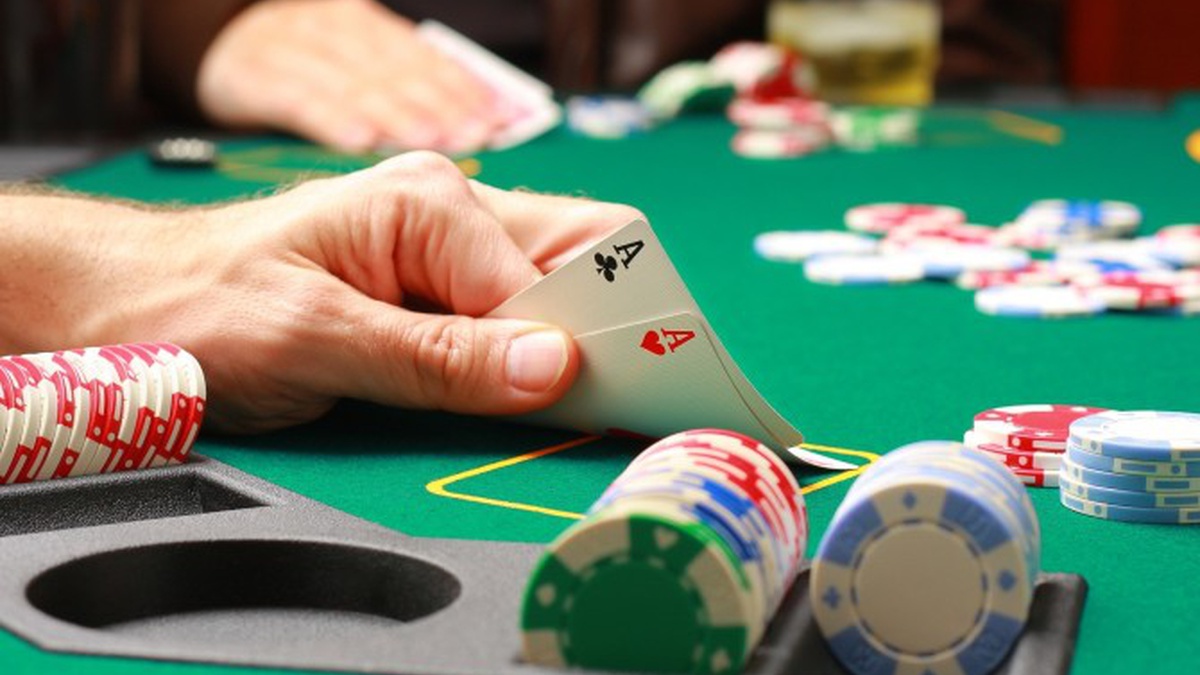
While many casino games are fundamentally based on chance, a strategic approach can significantly influence outcomes over time, particularly in games with skill-based elements. For instance, in poker or blackjack, understanding optimal strategies, probability, and opponent behavior can transform the game from one of pure luck to one where calculated decisions yield better results. This distinction is vital for players aiming for superior performance.
Even in games of pure chance, a strategic mindset is about maximizing value and minimizing exposure. This means understanding when to bet, when to hold, and when to fold based on available information and probabilities. It’s about making the “least bad” decision in uncertain situations, a skill honed through practice and a deep understanding of the game’s mechanics. This strategic engagement is what separates consistent players from those who are merely chasing fleeting moments of excitement.
Havok Bike Park: An Analogy for Calculated Risk
While seemingly unrelated, the operations and thrill-seeking nature of Havok Bike Park offer an insightful analogy for strategic gambling. Just as a mountain biker plans their descent, assessing trail features, speed, and potential obstacles, a savvy gambler meticulously plans their approach to games. The “rush” of downhill biking mirrors the excitement of a high-stakes bet, but successful riders, like successful gamblers, rely on preparation, skill, and calculated risk-taking rather than pure impulse.
At Havok Bike Park, safety and progression are paramount. Riders don’t simply hurl themselves down a mountain; they choose trails suited to their skill level, utilize protective gear, and often practice maneuvers. Similarly, in gambling, players should select games they understand, set limits to protect their “bankroll” (their ability to enjoy future rides), and practice responsible play. Havok Bike Park, through its structured environment for thrilling activity, underscores the principle that calculated approaches lead to more sustainable and enjoyable experiences, a lesson directly applicable to the world of gambling.