
Unraveling the truth behind common gambling myths and misconceptions
Understanding the Odds
One prevalent myth in the gambling world is the belief that understanding odds is too complicated for the average person. In reality, odds are simply a representation of the likelihood of an event occurring. Whether you’re betting on sports, playing poker, or spinning a roulette wheel, knowing how to interpret these numbers can significantly enhance your betting strategy. It’s essential to demystify these figures and realize that they can be learned through research and practice. Exploring various betting sites can also provide valuable insights.

Many gamblers fall into the trap of believing that they can influence the outcome of games purely through their betting decisions. While strategies can improve your chances, the outcome remains largely influenced by randomness and house edge. Recognizing the role of chance versus skill is vital in creating a realistic approach to gambling.
The Gambler’s Fallacy
The gambler’s fallacy is the mistaken belief that past events can influence future ones in games of chance. For example, if a coin flip results in heads several times in a row, some believe that tails is ‘due’ to happen. This logic is flawed, as each event in a fair game is independent of the previous ones. Understanding this can help gamblers make better decisions and avoid chasing losses.
Moreover, many gamblers mistakenly think they can outsmart the game by employing strategies based on previous outcomes. However, this misconception often leads to disappointment and financial loss. Educating oneself about the nature of probability can curb these unfounded beliefs and foster a healthier gambling mindset.
The Illusion of Control
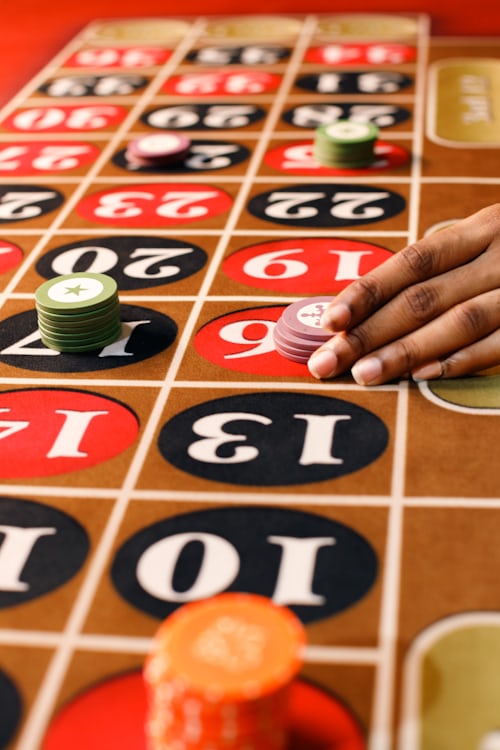
Another common myth is the illusion of control, which is the belief that players can influence the outcome of games like slot machines or roulette through their actions. This myth can lead to excessive gambling and risky behavior as players attempt to ‘control’ a game that is fundamentally random. It’s crucial for gamblers to understand that these games operate on algorithms and luck, not skill.
The allure of feeling in control can make gambling more exciting, but it also can result in significant losses. Recognizing the inherent randomness in games can help gamblers set limits and play responsibly, leading to a more enjoyable experience.
The Impact of Superstitions
Superstitions have long been associated with gambling, from lucky charms to specific rituals that players believe will enhance their chances of winning. While these practices can add an element of fun to the experience, they have no real effect on the outcome of a game. Understanding the psychological aspect of superstitions can help gamblers separate emotional comfort from actual strategies.
It’s vital to acknowledge that gambling outcomes are determined by chance and that relying on superstitions may lead to poor decision-making. Instead of placing faith in luck, focusing on skill, research, and the mathematics behind the game can yield better results.
Empowering Your Gambling Experience
This website serves as a comprehensive resource for both novice and seasoned gamblers seeking to better understand the intricacies of gambling. By debunking common myths and providing evidence-based information, we aim to empower users to make informed decisions. Our goal is to foster responsible gambling habits while enhancing the overall experience.
Through detailed reviews, comparisons, and educational content, we strive to create a reliable platform for enhancing your betting journey. By equipping you with the knowledge needed to navigate the gambling landscape, we help ensure that your experience is not only entertaining but also safe and responsible.