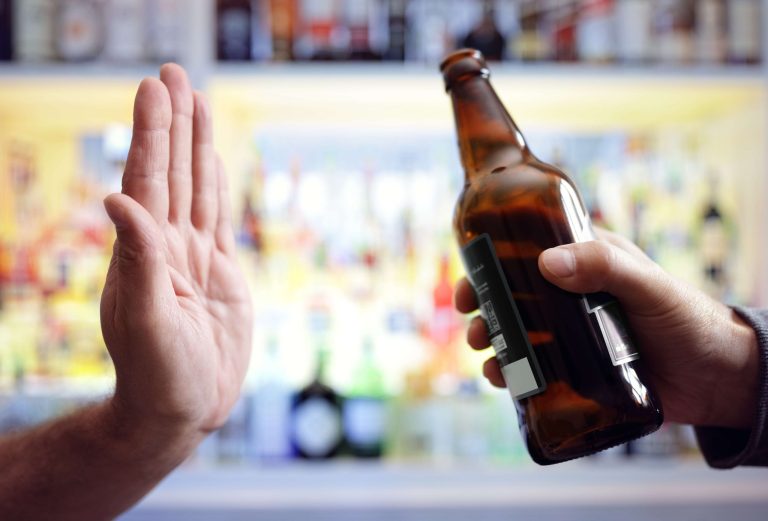
If shaking after drinking occurs regularly or intensifies, this pattern may indicate developing alcohol dependence. Alcohol withdrawal syndrome happens when the brain and body, accustomed to the depressant effects of alcohol, suddenly lose that effect. Alcohol enhances calming brain chemicals (like GABA) and suppresses stimulating ones (like glutamate). Over time, the brain adapts by reducing its own calming signals and increasing excitatory activity to maintain balance. Contact The Recovery Village at Baptist Health to speak with a Recovery Advocate about receiving professional treatment for alcohol addiction. Many people are surprised by the amount of time they regain after quitting alcohol.
Symptoms of Alcohol Withdrawal: What Should You Look For?
- Your healthcare provider can answer questions about whether to change what you eat or drink while taking these medications.
- It also serves a lot of other important functions, such as keeping your nervous system healthy.
- Not only may it help diminish the intensity of relapse urges by offering a shock to your system, but it can also soothe physical symptoms such as hot flashes.
- It can also remind you that many of the physical, emotional, and mental shifts you experience are part of the healing process.
As an added bonus, feeling stronger in your body can enhance your self-confidence as you move forward. Spending time in nature and enjoying the great outdoors can have a profound impact on mental well-being and recovery. Nature has a calming effect and can help reduce stress and anxiety. Take walks in parks, visit nearby forests or beaches, or go hiking to connect with the natural world. However, coping skills and techniques can help you get through withdrawal symptoms.
Can I become addicted to benzodiazepines?
We focus on treating the underlying causes of your addiction, addressing your mental health, and preparing you for a fulfilling, sober life. When you constantly have some alcohol in your bloodstream, you will not think as clearly. Alcohol Withdrawal Many people who use alcohol heavily for a prolonged period often don’t even recognize the perpetual fog that alcohol creates. When you stop drinking, it can feel like entering a whole new world and like a fog that you didn’t even know was there has suddenly lifted. It can make your family and friends feel as if you are choosing an addiction over them and cause you to act in ways that are destructive to relationships.

Can I take medications for alcohol withdrawal syndrome at home?
- Symptoms of alcohol withdrawal tend to peak 24 to 72 hours after your last drink.
- When you quit alcohol after using it consistently, your body spends about a week to a week and a half adjusting to its absence.
- Many benzodiazepines aren’t approved for use in the United States.
- Focus on the progress you’ve made and the positive changes you’re making in your life.
If you begin to experience DT, you always need to get immediate medical attention, as it can be life-threatening. Alcohol withdrawal usually starts within 8 hours after the last drink but can occur days later. In a recent study, 95% of people had symptoms that lasted between 2-8 days. Several factors like how long a person has been drinking, age or weight can also impact the length or severity of withdrawal symptoms. Professional alcohol withdrawal treatment and medical detox focus on creating a safe, stable and comfortable environment for the client to experience the withdrawal process.
Continuous monitoring and medical oversight
- Alcohol withdrawal symptoms generally begin within 12–24 hours after your last drink.
- This is why medical detox plays such a critical role during the initial stage of recovery.
- A few months into alcoholism recovery, many people enter a stage where not drinking starts to feel more normal, even if it still requires intention.
- Without treatment, about 15% of people with DTs don’t survive.
- You may find a renewed interest in music during your detox and should pursue the distraction it offers from cravings or withdrawal symptoms.
- Alcohol can worsen depression and be an emotional crutch, making it difficult to experience true happiness outside of drinking.
This will lead to improved nutrition, which can profoundly impact your overall health, especially over time. Alcohol can cause inflammation and damage to your liver when used heavily over prolonged periods. After stopping alcohol, inflammation in your liver caused by alcohol will subside. Most of this inflammation will be gone by your fourth week of abstinence. While any scarring caused by liver inflammation (called cirrhosis) will be permanent, the effects of inflammation itself will be almost completely resolved by week four.
Revive Your Wellness with Middle Tennessee Detox
The Recovery Village Baptist Health specializes in compassionate, evidence-based care tailored to your needs. Whether you choose a captivating novel or an informative non-fiction piece, reading can be an excellent diversion. It engages your mind, keeps your hands busy and focuses your attention on something other than withdrawal symptoms. Pick topics or genres that interest you and allow yourself to get lost in the story. Before you begin withdrawal, compose a letter to your future self.
If you or a loved one is struggling with alcohol dependence, it’s important to know that help is available—and that seeking support early can make a meaningful difference. Alcohol use disorder is a progressive condition, meaning symptoms and consequences often worsen over time if left untreated. What may start as increased tolerance or occasional loss of control can evolve into serious impacts on physical health, mental well-being, relationships, and overall quality of life. Detox doesn’t just impact the body; it’s an emotional and mental process, too. Many people experience heightened feelings of anxiety, guilt, and depression during detox.
Even if you’re exhausted, a walk outside can provide mental clarity and help you reconnect with the present moment. Combine this activity with intentional breathing for an even more grounding experience. Distraction is a powerful method of coping with withdrawal symptoms. Music you once enjoyed may become a source of renewed comfort and pleasure. By immersing yourself in melodies and lyrics, you can redirect your attention away from cravings and toward something more uplifting. Discovering new hobbies is an exciting way to fill the void left by alcohol.
What is the timeline for alcohol withdrawal symptoms?
You are not just “toughing it out.” You are being stabilized in a way that protects your brain, your heart, and your long‑term health. For significant dependence, medical detox provides medications and monitoring to manage post-drinking tremors safely. Alcohol withdrawal occurs when a person who has been drinking heavily suddenly stops or significantly reduces their alcohol intake without medical supervision. Mild withdrawal symptoms can be managed with hydration, rest and a quiet environment. Techniques such as mindfulness, meditation or gentle exercise might help alleviate stress.
Protein-Rich Recovery Meals
Alcohol withdrawal refers to the physical and psychological symptoms that occur when someone who is dependent on alcohol abruptly stops or reduces their consumption. When a person regularly consumes excessive amounts of alcohol, their body becomes accustomed to its presence. Sudden cessation or a significant decrease in alcohol intake disrupts the body’s equilibrium, leading to withdrawal symptoms. Alcohol withdrawal is a challenging and sometimes dangerous process that occurs when an individual abruptly stops or significantly reduces their alcohol intake. It is important to have a clear understanding of alcohol withdrawal, its symptoms, and the importance of seeking help. Alcohol withdrawal syndrome is a condition that can happen when you suddenly stop drinking after prolonged heavy alcohol use.